- PECT Digital
- Backup Power, Electrical Engineering, Emergency Power, Engineering Insights, Generator Systems, Load Shedding Pakistan, MEP Engineering, UPS Systems
- 0 Comments
- 11359 Views
Pakistan’s power infrastructure is one of the most discussed challenges in the country’s economic and industrial life. According to NEPRA’s State of Industry Reports, load-shedding remains a persistent reality across both residential and commercial sectors — with industrial and critical facilities bearing some of the heaviest consequences when grid supply becomes unreliable.
For hospitals, manufacturing plants, diplomatic facilities, and government institutions, grid failure is not merely an inconvenience. It is an operational, financial, and in some cases clinical emergency. The facilities that continue operating during outages — without interruption, without manual intervention, without loss of data or production — are the ones with properly engineered backup power systems.
At PECT Private Limited, backup power engineering has been a core electrical discipline since our founding in 1991. Across more than three decades, we have installed and maintained emergency generator systems, automatic transfer switches, UPS infrastructure, and fuel storage solutions across some of Pakistan’s most demanding environments. This article explores what proper backup power engineering involves — and why, in Pakistan’s energy landscape, it matters more than ever.
Understanding Pakistan’s Load-Shedding Reality
Load-shedding in Pakistan is not a new phenomenon, but its impact on critical infrastructure has grown as facilities have become more dependent on continuous, clean power. Modern hospital equipment, industrial automation, server infrastructure, and process control systems are all sensitive to power interruptions — and many cannot tolerate even brief outages without consequences ranging from data loss to equipment damage to genuine safety events.
For facility managers and building owners, the question is no longer whether backup power is necessary — it is whether the backup power system they have is adequate for the actual demands placed on it when the grid goes down.
A backup power system that starts too slowly, fails to carry critical loads, runs out of fuel before grid restoration, or — most critically — fails to start at all, is not a backup power system. It is a false sense of security.
The Components of a Properly Engineered Backup Power System
A complete backup power installation is not simply a generator connected to a building’s main supply. It is an integrated system of carefully coordinated components, each of which must perform correctly for the whole to work.
Diesel Generator Sets
The diesel generator remains the primary backup power technology for critical facilities in Pakistan — robust, proven, and capable of providing sustained output for extended outage periods. Generator sizing must be based on actual connected load calculations, not estimates, with appropriate margins for starting current demands and future expansion. Undersized generators fail under load; oversized generators run inefficiently and suffer long-term reliability problems from light loading.
For the most demanding environments — large hospitals, manufacturing facilities, and compound-wide installations — multiple generators may be required, either as dedicated units for specific load groups or as parallel systems providing both redundancy and capacity.
Automatic Transfer Switch (ATS) Systems
The Automatic Transfer Switch is the intelligence layer of any backup power system. When grid supply fails, the ATS detects the outage, signals the generator to start, monitors the generator output until it stabilises, and then transfers the building’s electrical load from the grid supply to the generator — all without human intervention, typically within ten to thirty seconds depending on the system configuration.
On grid restoration, the ATS performs the reverse sequence: transferring load back to the grid supply and signalling the generator to run down through its cooling cycle before shutting off.
A properly specified and installed ATS is what separates a backup power system that responds automatically from one that requires a person to physically switch over — a critical distinction when a power failure occurs at night, during a weekend, or in the middle of a surgical procedure.
The IEC 60947-6-1 standard governs automatic transfer switching equipment, providing the framework for proper specification and testing of ATS systems in critical applications.
UPS Systems
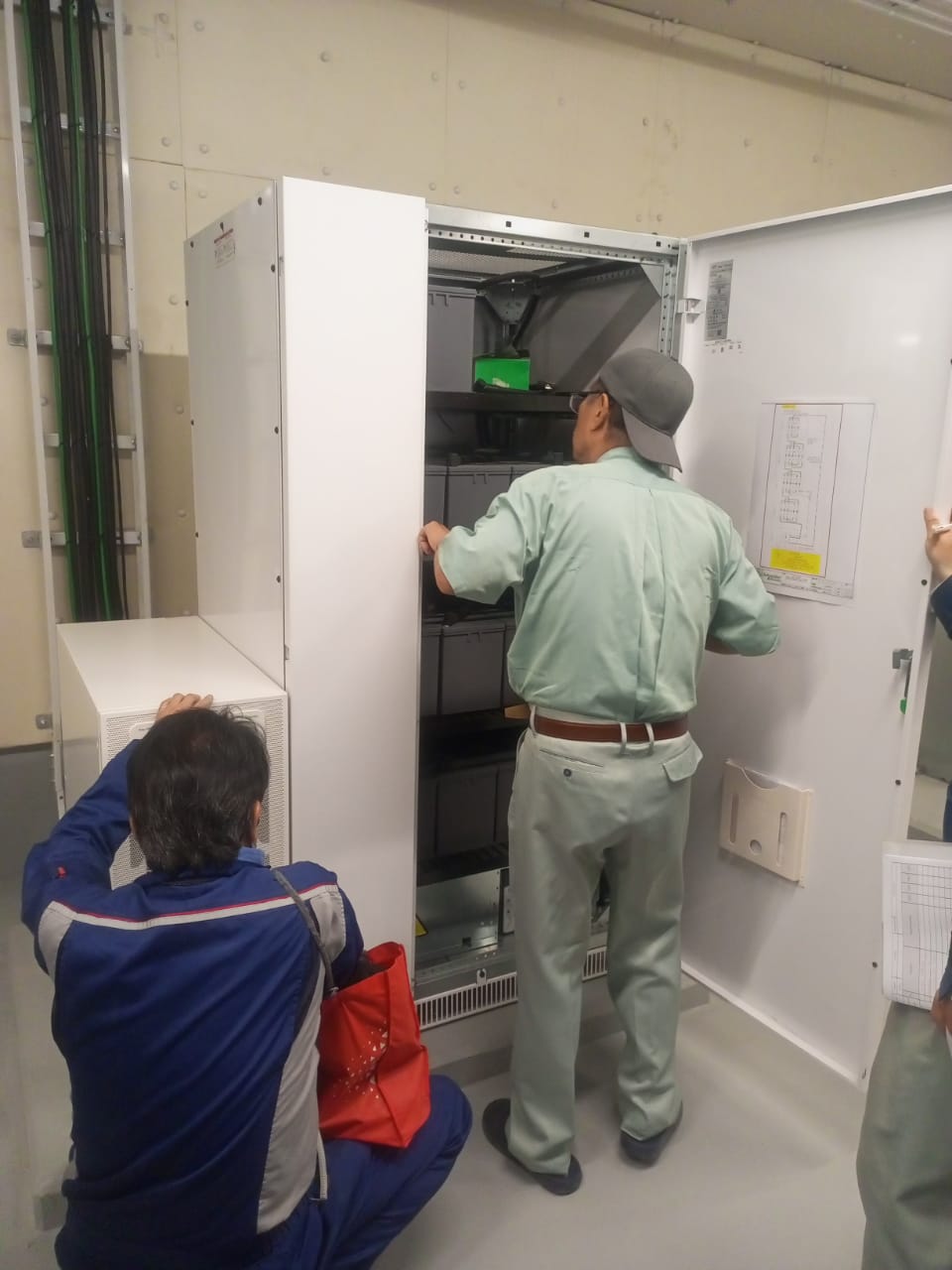
For loads that cannot tolerate even the brief transfer time of a generator-ATS system — servers, certain medical equipment, telecommunications infrastructure, and precision process controls — Uninterruptible Power Supply (UPS) systems provide truly seamless power continuity by drawing on battery reserves the instant grid supply is interrupted.
UPS systems are typically deployed as the first layer of protection for the most sensitive loads, with generator systems providing the sustained backup for broader facility needs. Proper UPS specification requires accurate load assessment and battery autonomy calculations based on actual generator start times and load profiles.
Fuel Storage Systems
A generator that runs out of fuel is indistinguishable from a generator that never started. Fuel storage capacity must be matched to the realistic duration of grid outages in the facility’s location — accounting for both normal load-shedding schedules and extended outages that may follow infrastructure failures or weather events.
For facilities with zero tolerance for outage — national infrastructure, critical healthcare, and security installations — fuel storage is typically sized for extended autonomy, with supplier agreements in place for emergency replenishment.
NFPA 110: Standard for Emergency and Standby Power Systems provides the internationally recognised framework for backup power system design, installation, and maintenance requirements across different classes of critical facility.
Generator Maintenance Contracts
A backup power system that is never tested and never maintained will not perform when it is actually needed. Generator maintenance is not optional for critical facilities — it is the engineering contract that guarantees the system’s availability when a real outage occurs.
A structured maintenance programme covers regular load bank testing to verify output under simulated demand, engine servicing and fluid replacement, fuel quality monitoring and storage tank cleaning, battery testing for starting systems, ATS operation verification, and thermographic inspection of electrical connections. For critical facilities, this maintenance record also forms part of the facility’s compliance documentation.
Backup Power in Healthcare: Zero Tolerance for Failure
Of all the environments that demand backup power engineering, healthcare facilities set the most uncompromising standard. In an active hospital, grid failure without immediate, automatic backup is not an operational disruption — it is a patient safety event.
Ventilators, incubators, monitoring equipment, surgical lighting, and imaging systems all depend on continuous power. Operating theatres require not just continued power but stable, clean power that does not cause equipment malfunctions at the moment of highest criticality.
PIMS Children Hospital, Islamabad
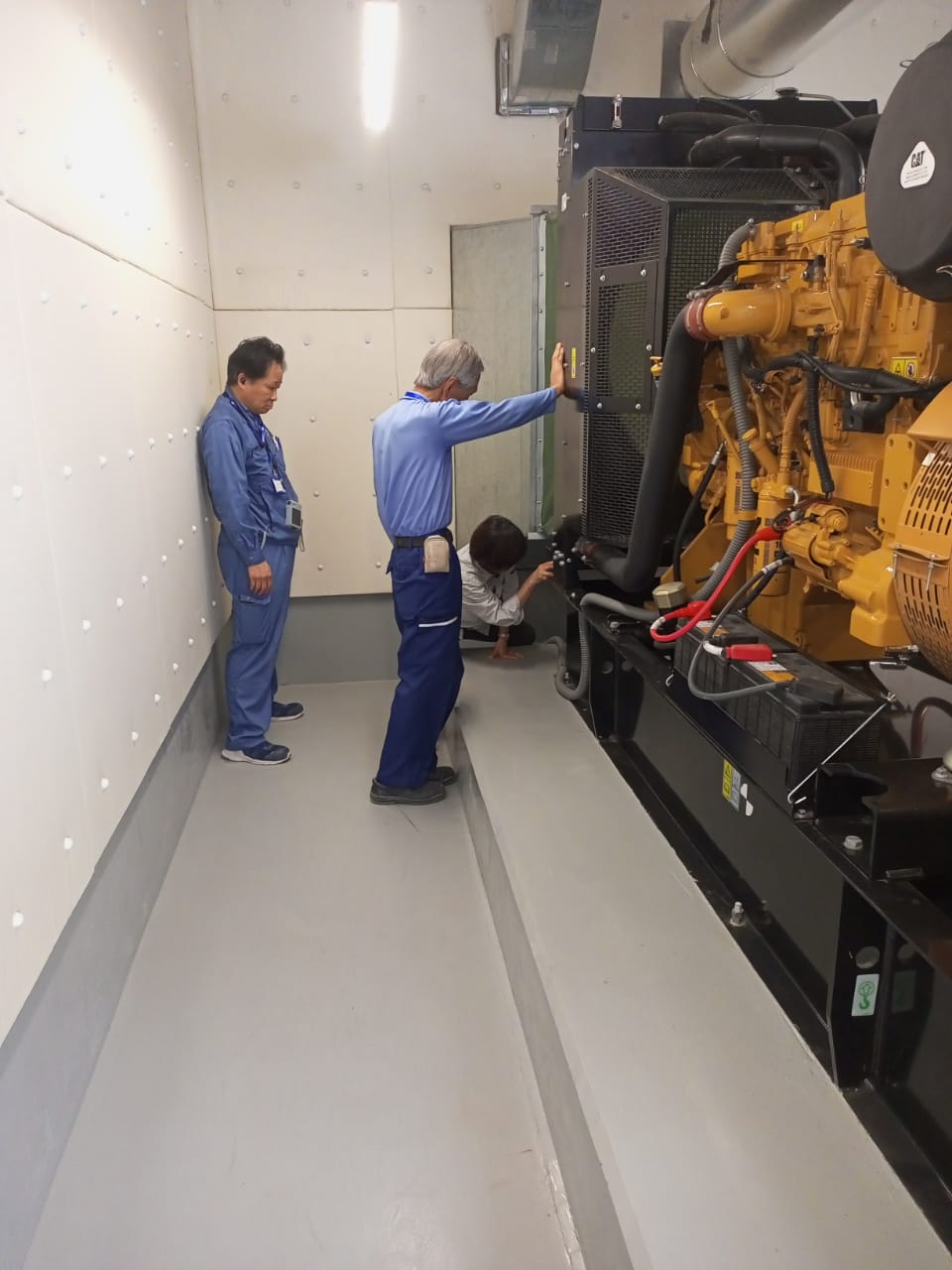
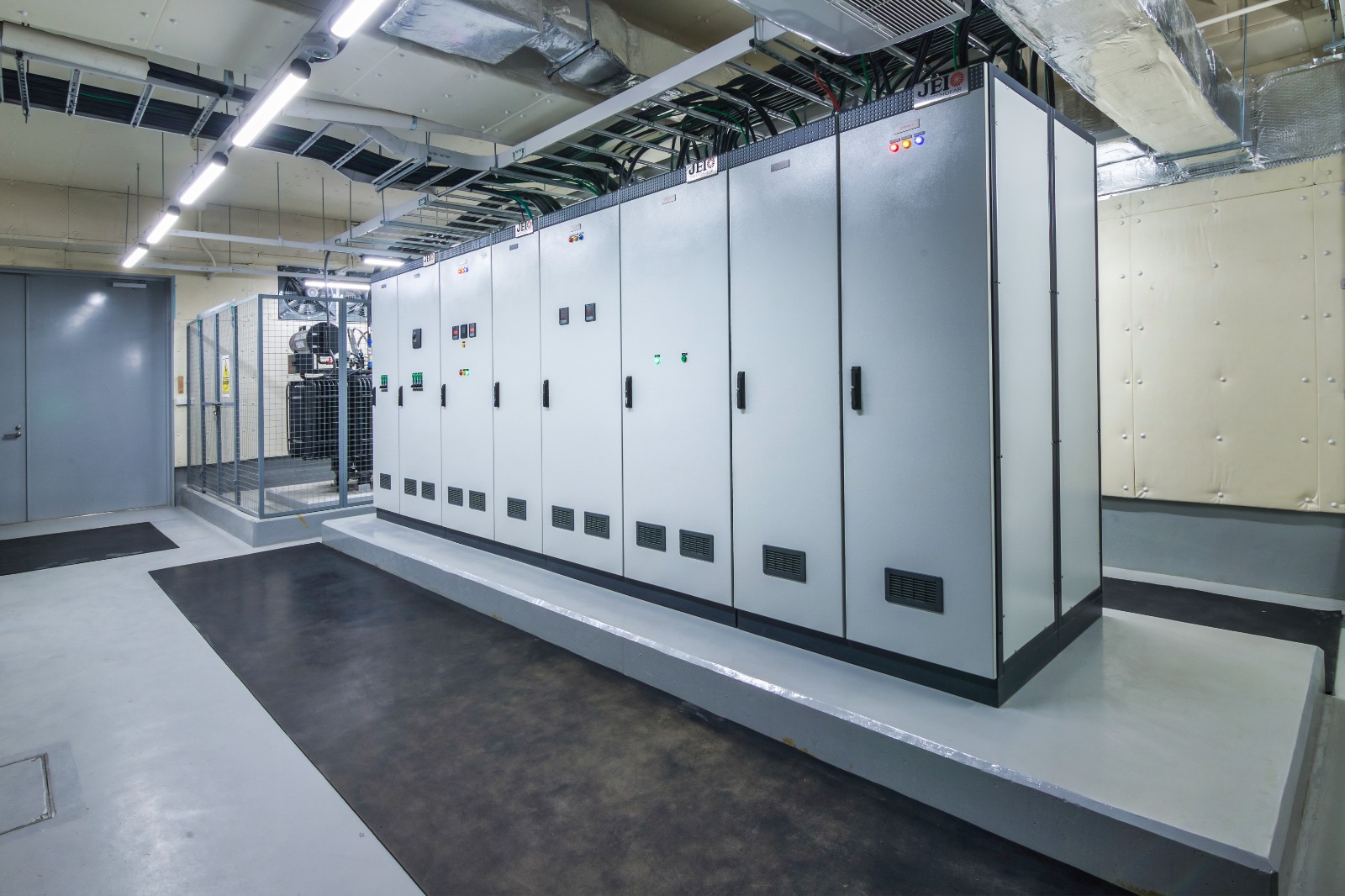
A subsequent engagement on the ICU Extension project, completed with Sanyo Engineering under Japanese Grant Aid, incorporated emergency generator and automatic transfer switch systems as part of the comprehensive MEP installation for the expanded paediatric intensive care unit.
Backup Power for Diplomatic Facilities: Continuous Operations at Any Hour
Diplomatic compounds operate on a different standard from commercial facilities — 24/7 operations, security-critical systems, and international visitors who cannot be subjected to power interruptions. These requirements demand backup power infrastructure that is both comprehensive and meticulously maintained.
Embassy of Japan, Islamabad
PECT’s backup power relationship with the Embassy of Japan in Islamabad represents one of our most significant and long-running engagements in this sector. Over successive projects, PECT has installed and maintains over 26 generator sets across the Embassy compound — a scale that requires not just installation expertise but a structured, ongoing maintenance programme that guarantees system availability across the entire compound at all times.
This ongoing maintenance contract reflects the confidence that Japan’s diplomatic mission places in PECT’s backup power engineering and maintenance capability — a relationship built over three decades of consistent performance.
Backup Power in Manufacturing: Protecting Production and Equipment
Manufacturing facilities face a unique dimension of backup power risk: not just lost production time, but potential damage to equipment, loss of work-in-progress, and quality implications when processes are interrupted mid-cycle.
Industrial automation systems, paint shop environmental controls, robotic welding equipment, and precision manufacturing processes all have specific power continuity requirements that go beyond simple on/off availability.
Yamaha Motor Pakistan, Karachi
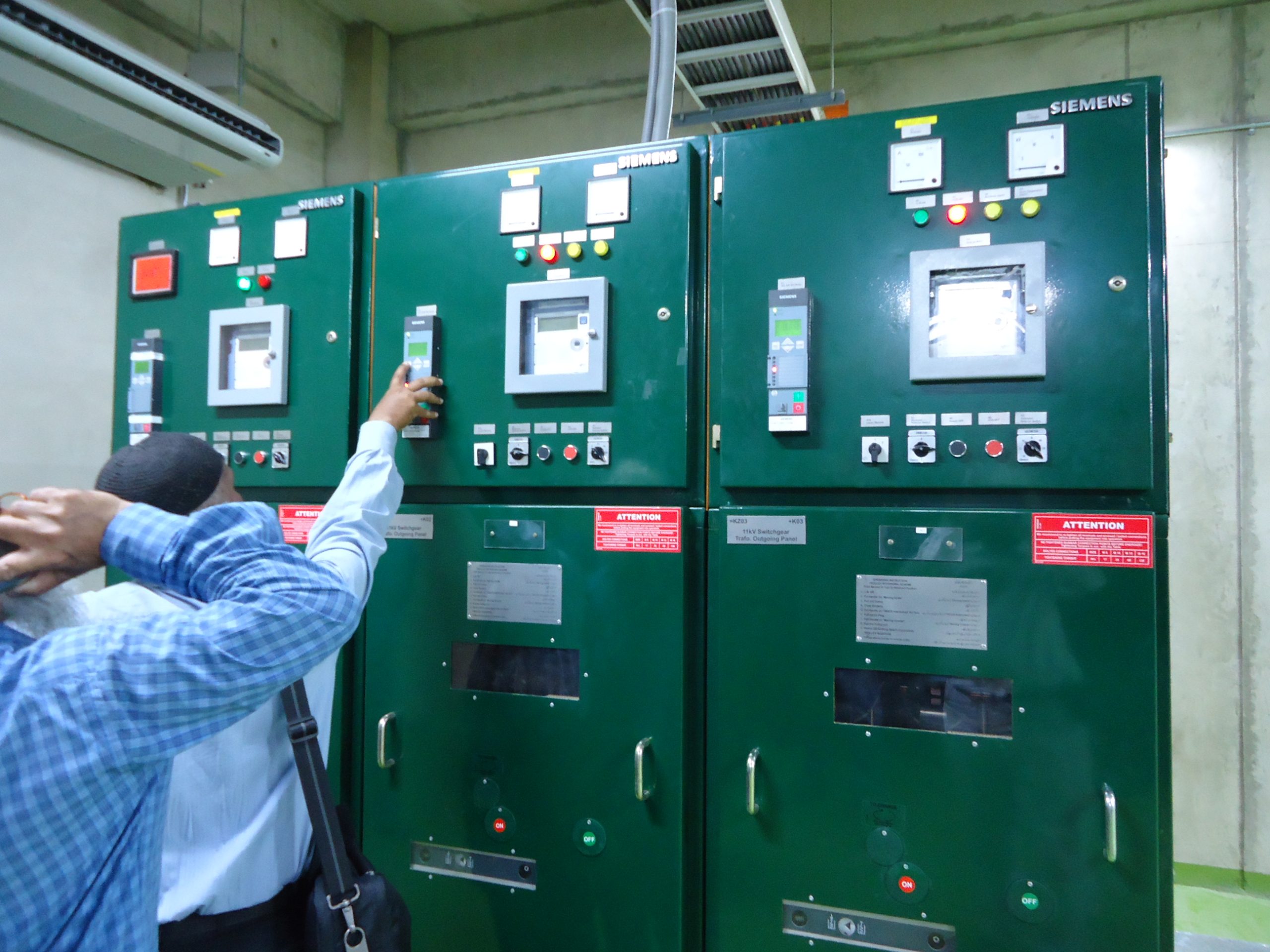
As part of PECT’s comprehensive MEP installation for Yamaha Motor Pakistan’s manufacturing facility — the company’s largest single project — emergency backup generator systems with automatic transfer switches were installed to protect production lines and sensitive manufacturing equipment from load-shedding disruptions. Delivered with Sanyo Engineering, the installation met Yamaha’s Japanese manufacturing quality standards, which treat power continuity as an integral part of production quality management.
Backup Power for Government and Institutional Facilities
NIPA House, Islamabad
PECT delivered generator and electrical systems for NIPA House — a prominent government institutional facility in the capital — ensuring continuous operations for government functions that cannot be interrupted by routine grid failures.
JICA Facility Locations, NWFP
Generator and changeover panel installations across multiple Japanese Grant Aid locations in NWFP provided backup power infrastructure for education and institutional facilities funded under Japan’s international development cooperation programme.
Training Center for On Grid Operations, Lahore — Tobishima Corporation
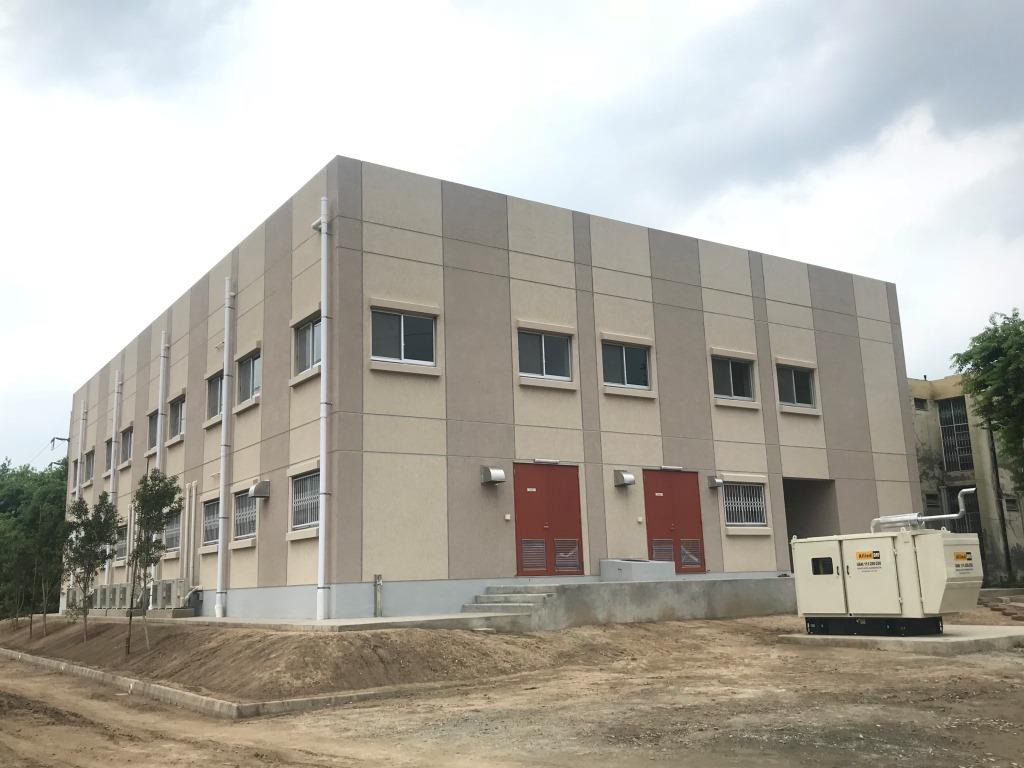
Generator backup systems as part of the comprehensive electrical and mechanical works for this specialist energy sector training facility — a particularly fitting application, given that training Pakistan’s next generation of power sector engineers requires a facility that itself demonstrates reliable power management.
The Commissioning Standard for Backup Power Systems
Backup power systems are unique among building electrical systems in one important respect: they are designed to operate under conditions of failure. This means their commissioning cannot be limited to verifying that components are correctly installed — it must verify that the entire system performs correctly under simulated failure conditions.
PECT’s backup power commissioning process includes:
- Generator load testing at rated output, verifying stable voltage and frequency under full load
- ATS operation testing, confirming automatic transfer within specified times under simulated outage conditions
- Return-to-mains testing, verifying smooth transfer back on simulated grid restoration
- Fuel system verification, confirming storage capacity, distribution, and level monitoring
- Battery starting system testing, verifying cold and warm start reliability
- Full system documentation including test records, single-line diagrams, and operation manuals
For healthcare and diplomatic facilities in particular, this documentation forms part of the permanent facility record and supports ongoing compliance verification.
Why Maintenance Determines Long-Term Reliability
The commissioning test is the beginning of a backup power system’s operational life, not the end. The reliability of the system five years after installation is determined almost entirely by the maintenance it receives in the intervening period.
Fuel degradation in storage tanks, battery deterioration in starting systems, and mechanical wear in engines that run infrequently but must start immediately on demand — these are the failure modes that structured maintenance prevents.
For critical facilities, PECT offers maintenance contracts that provide scheduled preventive maintenance, emergency callout response, spare parts management, and the ongoing test records that compliance documentation requires. Our current maintenance relationship with the Embassy of Japan — covering over 26 generator sets across the compound — is the most prominent example of this long-term engineering partnership in practice.
Learn more about PECT’s full electrical engineering capabilities at our Capabilities page. For facilities requiring comprehensive MEP solutions across electrical, mechanical, and HVAC disciplines, PECT delivers integrated installations under single-point accountability — explore our Mechanical Systems for the full picture.
Engineering Backup Power for Pakistan’s Reality
The fundamental principle of backup power engineering in Pakistan is straightforward: design for the outages that actually occur, not for the grid reliability that would make backup power unnecessary.
That means generators sized for actual loads, not nominal estimates. ATS systems that transfer automatically without human intervention. Fuel storage matched to realistic outage duration. And a maintenance programme that tests the system regularly enough to catch problems before they become failures on the worst possible night.
For over thirty years, PECT has installed backup power systems across Pakistan’s most demanding environments — hospitals where patients depend on continuous power, diplomatic compounds that operate around the clock, manufacturing facilities where outages cost production, and government institutions where continuity is not optional.
As Pakistan’s energy landscape continues to evolve, reliable backup power engineering remains one of the most practical investments any critical facility can make. Not because grid failure is inevitable — but because when it happens, the time to have prepared was before it occurred.
PECT Private Limited is an ISO 9001 certified MEP contractor with over 30 years of experience delivering electrical, mechanical, and HVAC systems across Pakistan. Contact us to discuss your facility’s backup power requirements.