- PECT Digital
- 0 Comments
- 25294 Views
In any building, plumbing is the silent system that makes everything else possible. Clean water arriving where it’s needed. Drainage working without incident. Hot water available on demand. Sanitary systems operating invisibly in the background of daily life.
When plumbing is done right, nobody notices. When it isn’t, everything stops.
Despite this, plumbing is frequently treated as a routine trade — something to be completed quickly and cheaply, with little attention to engineering quality. In Pakistan’s demanding construction environment, this approach leads to systems that fail prematurely, require constant maintenance, and in critical settings like hospitals, create genuine safety risks.
At PECT Private Limited, plumbing has been a core engineering discipline since our founding in 1991. Over three decades, we have delivered plumbing systems across healthcare facilities, critical infrastructure, educational institutions, and residential developments — all commissioned to international standards and documented for the lifetime of the facility. This article explores what professional plumbing engineering actually involves, and why it matters.
What Professional Plumbing Engineering Covers
Plumbing is not a single system — it is a family of interconnected systems that together manage water supply, hot water generation, drainage, sewage, and stormwater across a building’s entire operational life.
A complete plumbing installation encompasses:
Water Supply Systems — Cold water distribution from mains or storage, pressure boosting where required, water softener systems for facilities where water quality affects equipment or processes, and FRP tank assembly for reliable storage. The design must ensure adequate pressure and flow at every point of use, under both peak and low-demand conditions.
Hot Water Systems — Hot water boiler installations, steam geysers, solar water heating systems, and the distribution and recirculation networks that ensure hot water is available promptly at the point of use. In healthcare facilities, hot water systems must also meet temperature requirements that prevent Legionella growth.
Drainage and Sewage Systems — Soil and waste piping, drainage networks, septic tank installations, and the vent piping systems that prevent pressure differentials from allowing sewer gases to enter occupied spaces. Underground drainage requires careful hydraulic design to ensure self-cleansing velocity and avoid blockage.
Sanitary Fixtures — Selection, installation, and commissioning of the fixtures themselves, from clinical-grade fittings in hospital environments to standard installations in residential and educational settings.
Piping Materials — Different applications require different pipe materials. GI (galvanised iron) piping for water distribution, PPR (polypropylene random) piping for hot and cold water systems requiring corrosion resistance, and stainless steel or copper for specialist applications. Material selection affects both system longevity and water quality.
Healthcare: Where Plumbing Failure Has Clinical Consequences
Of all the environments PECT works in, healthcare facilities place the most stringent demands on plumbing systems. The consequences of failure are not inconvenience — they are patient safety events.
PIMS Children Hospital ICU Extension, Islamabad
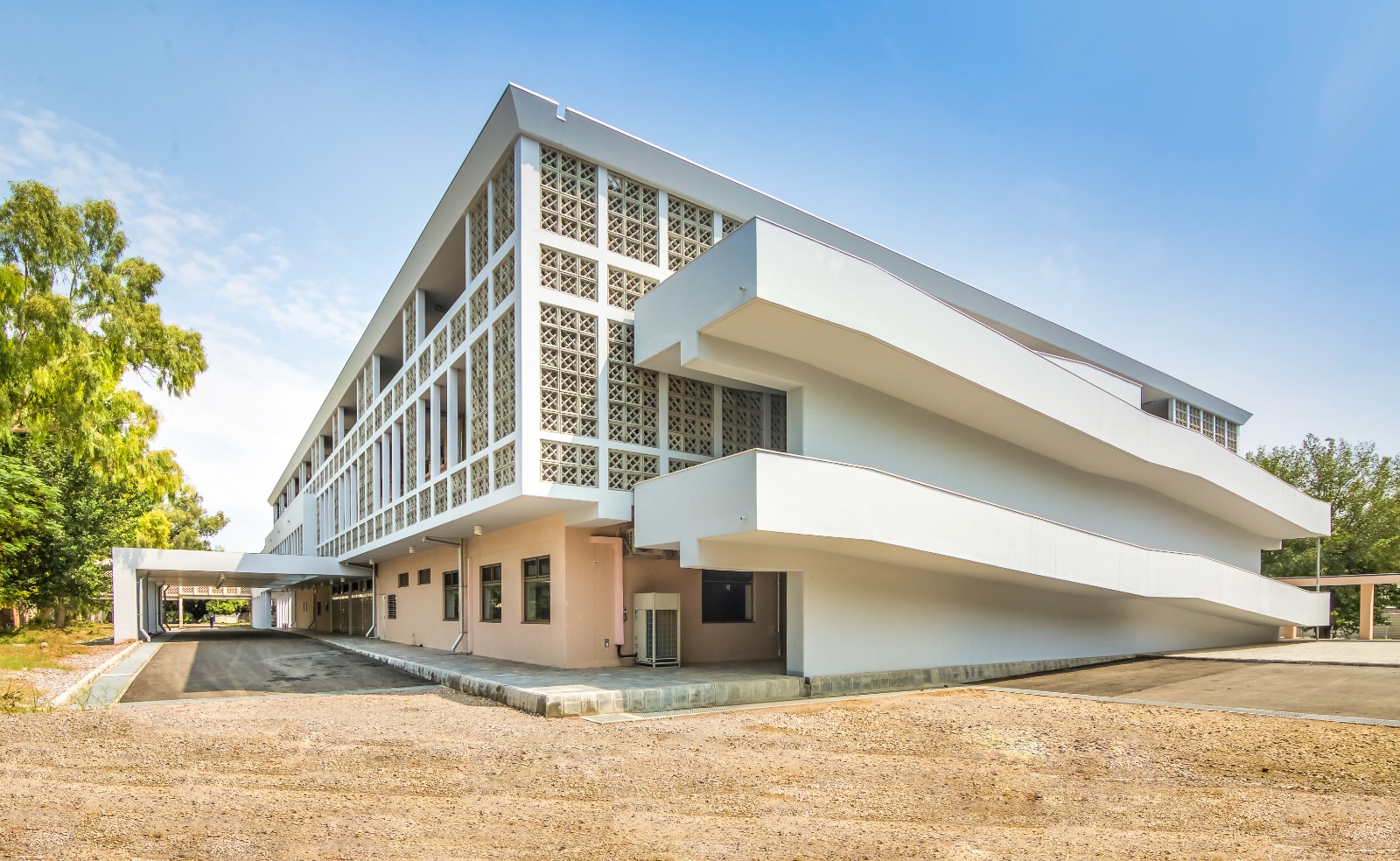
Working as a subcontractor under Sanyo Engineering on this Japanese Grant Aid expansion of PIMS’s paediatric ICU, PECT delivered a complete plumbing scope including:
- Hot water boiler installation with complete accessories
- Steam geyser installation for reliable hot water supply
- FRP tank assembly at site for water storage
- Water softener system protecting equipment from hard water damage
- City water and soft water supply systems serving the entire ICU extension
- Septic tank assembly at site
- Sewage and drainage piping throughout
- Full sanitary fixture installation with complete testing and commissioning, including maintenance
In an active hospital environment, every phase of this installation required careful coordination to avoid disruption to clinical operations. The systems were pressure-tested, commissioned, and handed over with full documentation before clinical occupation of the extended ICU.
Critical Infrastructure: Plumbing Beyond the Building
Plumbing systems are required not just in conventional buildings but across a wide range of facility types — including nationally significant installations.
Weather Surveillance System Radar, Karachi
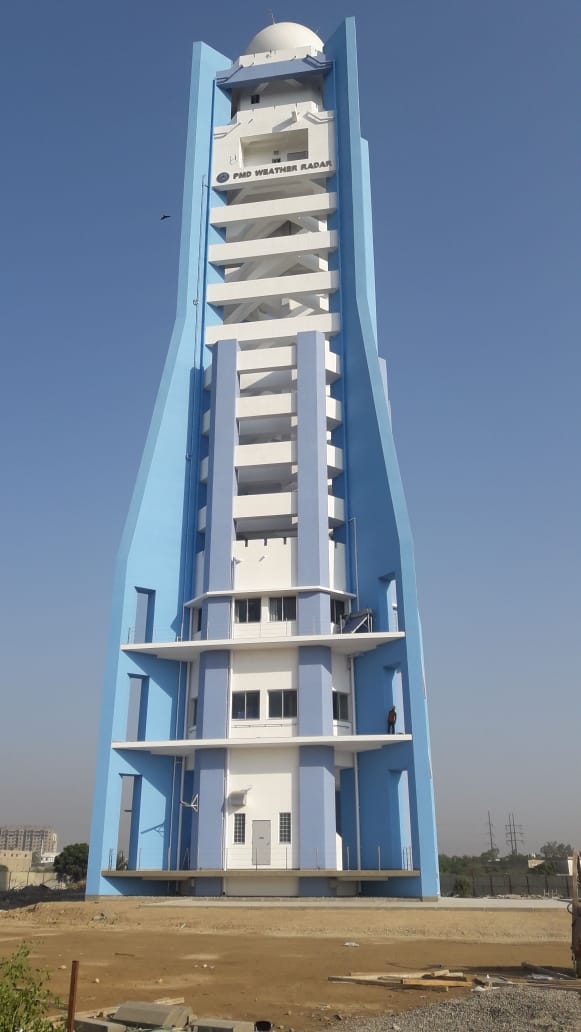
PECT delivered complete plumbing works for this critical national infrastructure facility, including FRP tank assembly, solar water geyser installation, hot and cold water supply systems, sewage and drainage piping, and full sanitary fixture installation with testing and commissioning.
Facilities of this nature require the same engineering rigour as any permanent building — reliable water supply, properly designed drainage, and systems that perform without requiring constant intervention in an operational environment.
Residential Development: Scale and Consistency
Large-scale residential MEP is a discipline in its own right. The challenge is not the complexity of any individual installation — it is maintaining consistent quality and coordination across hundreds of concurrent identical installations within a single development.
507 Luxury Villas, DHA Phase-II, Islamabad

PECT delivered complete plumbing systems across all 507 villa units at DHA Phase-II — one of the most extensive residential MEP packages completed in the capital region. The scope covered water supply networks, internal plumbing for bathrooms, kitchens, and utility connections, drainage systems, hot water systems, and full sanitary fixture installation across the entire development.
Managing material procurement, installation sequencing, and quality control across 507 units simultaneously requires systematic project management and a well-organised field team. Consistent commissioning and testing across every unit — not just spot checks — is what separates a genuinely well-executed residential MEP package from one that generates years of callbacks.
Education: Building the Foundations of Learning
Educational facilities require reliable, low-maintenance plumbing systems that serve large numbers of users across long daily operating hours. In the context of Japanese Grant Aid educational projects, these installations carried the quality expectations of Japanese engineering supervision.
Training Center for On Grid Operations and Maintenance, Lahore
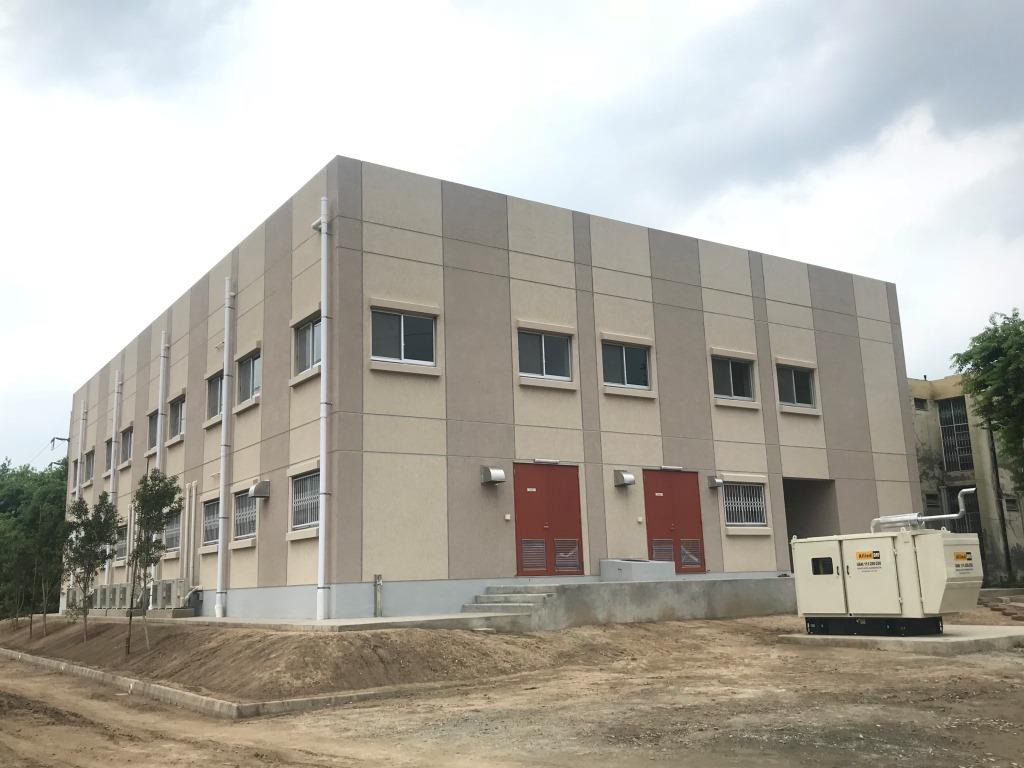
PECT delivered electrical and plumbing works for this educational facility, including FRP tank assembly at site, water supply pump installation, and GI and PPR piping throughout — providing reliable water supply and drainage for the college’s operational needs.
30 Primary Schools Network, NWFP — Tobishima Corporation
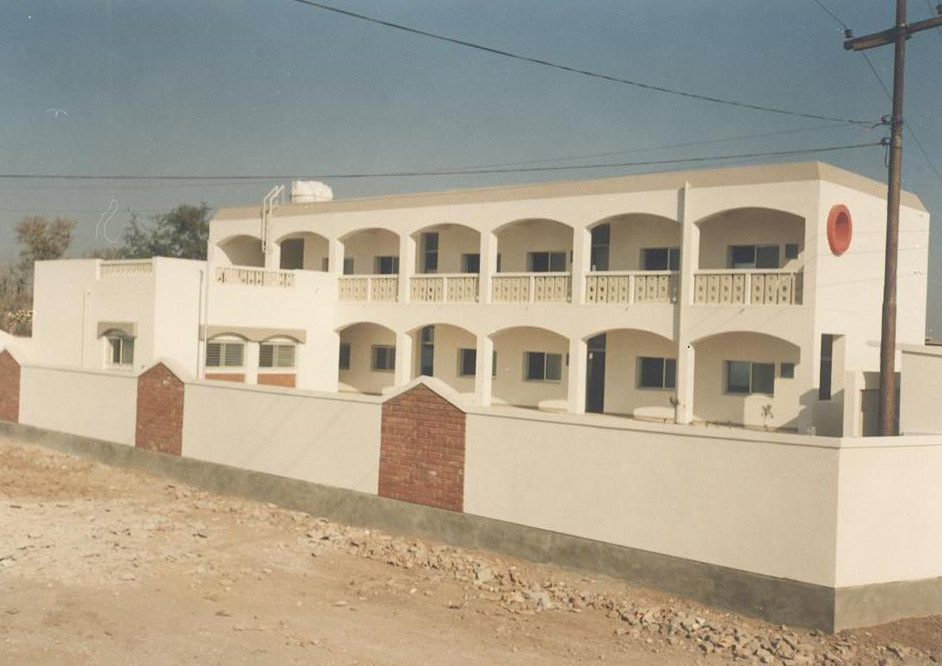
Working with Tobishima Corporation across a network of primary schools in NWFP, PECT delivered plumbing installations across 30 schools simultaneously. Projects of this type — multiple sites, dispersed locations, consistent quality requirements — test a contractor’s logistical capability as much as their technical competence.
The Commissioning Standard
A plumbing installation is not complete when the pipes are in the ground and the fixtures are mounted. It is complete when every system has been pressure-tested, every connection verified leak-free, flow rates confirmed at design values, and the entire installation documented with as-built drawings and a commissioning record.
Pressure testing — both hydrostatic and pneumatic depending on the system — is the definitive verification that installation quality meets specification. A system that passes pressure testing has been installed correctly. One that hasn’t been tested has simply been installed.
PECT’s commissioning process covers pressure testing across all piping systems, leak detection and repair, flow rate verification at each point of use, pump performance testing where applicable, and preparation of operation and maintenance documentation handed over to the building owner at practical completion.
Long-Term Reliability: The Maintenance Dimension
The operational life of a well-installed plumbing system is measured in decades. What determines whether it performs for that full period — or degrades progressively — is the maintenance regime applied after handover.
Scale buildup in hard water areas reduces flow and eventually blocks fittings. Water heater anodes deplete and need periodic replacement. Pump seals wear. Isolation valves that are never exercised seize. A structured preventive maintenance programme addresses all of these before they become failures.
For critical facilities — hospitals, government buildings, and operational infrastructure — PECT offers maintenance contracts that extend the engineering relationship beyond installation. The systems we deliver are built to last. Proper maintenance ensures they do.
Engineering That Works, Even When Nobody Notices
The measure of a successful plumbing installation is simple: it works, every time, without drawing attention to itself. Water arrives where it’s needed. Drainage clears without issue. Hot water is available when required.
Achieving that invisibility — reliably, across 30 years of installations in hospitals, critical infrastructure facilities, schools, residential developments, and project sites across Pakistan — requires the same rigour that PECT applies to every discipline within its MEP engineering practice.
Because the infrastructure nobody sees is, very often, the infrastructure that matters most.
PECT Private Limited is an ISO 9001 certified MEP contractor with over 30 years of experience delivering electrical, mechanical, plumbing, and HVAC systems across Pakistan. Learn more at https://www.pect.com.pk/pect-capabilities/